
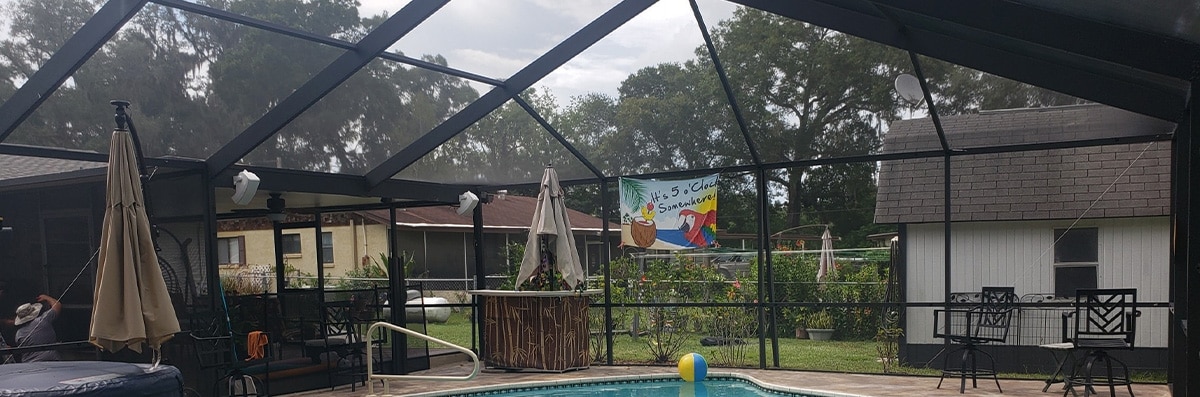
Owning a pool with a cage screen is a delightful addition to any home, providing a perfect blend of protection and aesthetic appeal. This unique feature not only safeguards your pool area from unwanted debris, pests, and harsh weather but also enhances the overall visual charm of your outdoor space. However, the longevity of this asset heavily relies on diligent maintenance and careful cleaning.
Regularly cleaning pool cage screens is crucial to ensure that it remains an unobstructed window to your aquatic paradise. Neglecting its upkeep can lead to a build-up of dirt, grime, mold, and other unsightly elements, detracting from the screen’s transparency and beauty.
This comprehensive guide, spanning an impressive 1100 words, will delve deeply into the intricate nuances of maintaining and cleaning your pool cage screen. You’ll learn about the best practices, essential tools, and step-by-step procedures necessary to preserve the pristine condition of your screen.
By following these expert tips and techniques, you can enjoy your pool and its stunning surroundings with clarity and confidence, knowing that your pool cage screen is in impeccable shape.
Understanding Pool Cage Screens
Pool cage screens are an integral part of many outdoor pools, particularly in regions with a lot of bugs and debris. Made from durable materials, these screens can withstand the elements but are not immune to the accumulation of dirt, algae, and other residues.
The Importance of Regular Cleaning
Regular cleaning is vital. It not only maintains the screen’s appearance but also extends its lifespan. Dirt and algae, if left unchecked, can cause the mesh to deteriorate, leading to costly repairs.
Preparing for Cleaning
Before you begin, clear the area and inspect the screen for damage. Choose a day with mild weather – too much sun can cause cleaning solutions to evaporate quickly, leaving behind residues.
Materials Needed
- Soft brushes
- A garden hose or pressure washer on a gentle setting
- Mild detergent or specialized cleaner
- Sponges or soft cloths
- A sturdy ladder for high areas
The Cleaning Process
- Dry Cleaning: Start by gently brushing away loose debris and dirt from the screen.
- Mixing the Cleaning Solution: Combine a mild detergent with water in a bucket. For a more eco-friendly option, consider a mix of white vinegar and water.
- Washing the Screens: Gently wash the screens using a sponge or cloth dipped in the cleaning solution. Avoid harsh scrubbing, which can damage the screen.
- Rinsing: Rinse the screens thoroughly with a hose or pressure washer on a low setting.
- Drying: Allow the screens to air dry. If needed, use a soft cloth to remove excess water.
Addressing Algae and Mold
Algae and mold can prove quite stubborn to remove from your pool cage screen. In such cases, opting for a stronger cleaning solution becomes essential. Simply apply the potent solution, allowing it time to break down the algae, then gently scrub the affected areas with a brush.
Repairing Damages
- During cleaning, if you notice any tears or significant wear, consider repairing these areas promptly. Small holes can be patched, but larger areas of damage may require professional assistance.
- Preventive Maintenance
- To minimize the need for frequent deep cleanings:
- Regularly remove leaves and debris from the pool area.
- Trim back foliage that may touch the screen.
- Wash down the screens lightly after major weather events.
Safety Considerations
Cleaning pool cage screens can involve working at height. Prioritize safety by ensuring your ladder is secure and never stretching beyond a safe reach. If in doubt, it’s best to hire professionals.
Professional Cleaning and Maintenance
For comprehensive cleaning or if you’re not confident in doing it yourself, professional services can be a worthwhile investment. They have the experience and equipment to handle the job efficiently and safely.
Enhancing Longevity
- Apart from regular cleaning, there are steps you can take to enhance the longevity of your pool cage screen:
- Check for Corrosion: Regularly inspect the frame for signs of rust or corrosion, particularly if you live in a coastal area.
- Balance Pool Chemistry: Chemical imbalances in your pool can affect the screen. Regularly check and adjust the chemical levels in your pool.
- Mindful Landscaping: Consider the impact of your garden on your pool screen. Avoid planting messy trees or shrubs nearby.
Cost-Effective Maintenance
Ensuring the cleanliness of your pool cage screen goes beyond mere aesthetics; it’s a smart financial move too. Regular maintenance isn’t just about preserving its visual appeal; it’s a proactive measure that can save you from more substantial expenses in the future.
Neglecting upkeep may lead to deterioration and structural issues, which can be far costlier to repair or replace than routine cleaning and maintenance. By investing in the cleanliness and well-being of your pool cage screen now, you can extend its lifespan and prevent potential financial burdens that might arise from neglecting its care. It’s a practical and cost-effective approach to safeguarding your outdoor oasis.
Conclusion
A clean and well-maintained pool cage screen is absolutely essential for the full enjoyment of your pool and its surroundings. It’s not just about the immediate visual appeal, though that is certainly a part of it; it’s also about preserving the integrity and functionality of your valuable pool cage screen investment. Your pool cage screen acts as a barrier against unwanted debris, pests, and adverse weather conditions while allowing you to bask in the beauty of your outdoor oasis. Neglecting its care can result in a host of problems, from reduced visibility to structural damage.