
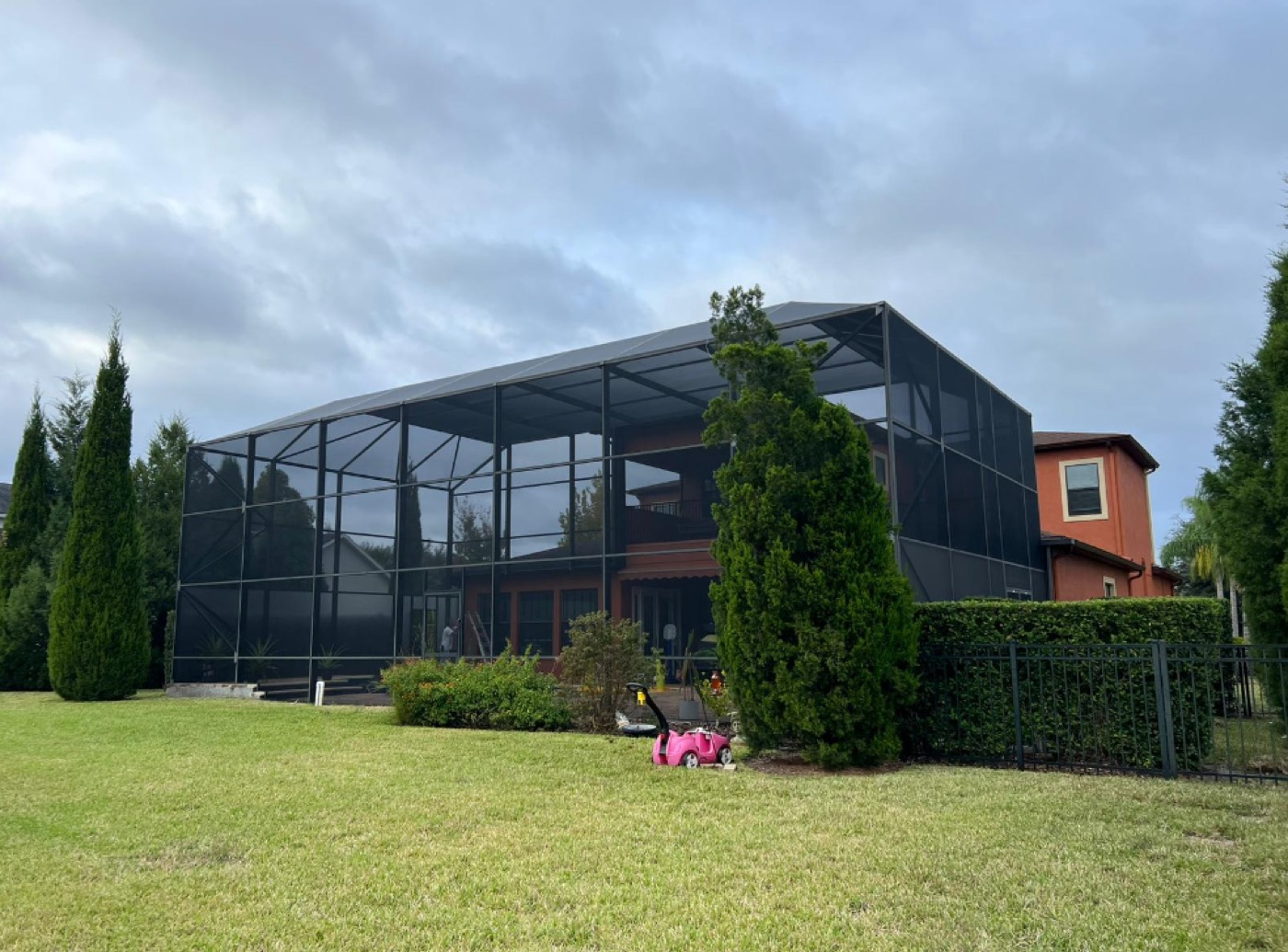
Planning on a screening project involves critical decisions, with the choice of screen mesh playing a pivotal role. Prioritizing between visibility and durability, selecting a color finish that complements your home, and addressing specific needs like solar protection or allergy filters are essential considerations.
For properties frequently troubled by insects, determining the required level of protection becomes paramount. While standard fiberglass screening may suffice, situations demanding heightened defense often call for specific types of tiny mesh screens, colloquially known as no-see-um screens.
In this comprehensive post, our goal is to have a comparison of No-See-Um Screen vs Regular Screen and which is better. Whether you’re focused on insect protection, solar shielding, or allergy prevention, delving into the nuances of tiny mesh screens empowers you to make informed decisions tailored to your home project’s unique requirements.
By striking the right balance between visibility, durability, and specialized functionalities, you can ensure that your screening project not only meets its goals but also enhances the overall functionality and aesthetics of your property.
What is a no-see-um screen?
While our screens offer insect protection, there are certain types of bugs, colloquially known as “no-see-ums,” that are small enough to penetrate them. It’s essential to note that “no-see-ums” specifically refer to tiny, blood-sucking, biting flies. Additionally, other minuscule insects like gnats and sandflies can pose a similar challenge. Coastal homes, in particular, are prone to issues with these insects, making them the most likely to benefit from screens designed specifically for no-see-ums.
The term encompasses a range of tiny pests, and even though the common name implies invisibility, they can still pose a nuisance. Employing screens tailored to combat these tiny invaders is crucial for ensuring comprehensive protection, especially in regions where these pests are prevalent, allowing homeowners to enjoy their living spaces without the intrusion of these bothersome insects.
Types of No-See-Um Screen
We have several different options for those in need of no-see-um screening:
- No-See-Um 20×20 Fiberglass Mesh
This is our standard no-see-um screening. It is more durable than regular fiberglass screen, but less so than some of the following options. It is extremely versatile and can be used anywhere you would put a window screen.
- 24×22 Aluminum Tiny Mesh
An even tighter mesh, this will protect against almost any insect as well as prevent a good amount of dirt and debris from entering your space. The aluminum material makes this a great economy option. This mesh material also provides excellent visibility and airflow!
- 20×30 Solar Insect Screen
On top of protecting from even the tiniest pests, our solar insect screen also protects against 65% of UV exposure. Use it to protect your skin from the sun’s harmful rays and reduce your home’s A/C costs.
- 20×17 Super Screen Tiny Mesh
For places in your home where you want extra durability, Super Screen tiny mesh has you covered. Made from vinyl-coated polyester, this heavy-duty screen can stand up to the elements, time, and of course, tiny insects.
- 20×20 Super Screen No-See-Um Mesh
The strongest no-see-um protection on the market. Keep even the smallest insects out of your home, porch, or pool enclosure for years to come with a 20×20 Super Screen.
No-see-um screen vs regular (fiberglass) screen
So, is a no-see-um screen a better choice than standard fiberglass for your next project? If most likely depends on what level of protection you require. Both screens can be used for windows, pool cages, patios, and screen doors, and both offer some level of insect protection. For a better idea of your options, breaking down the pros and cons of each mesh is always a good first step.
Fiberglass Screen Pros and Cons
Fiberglass screen mesh is the most commonly used screening available, as it’s flexible and inexpensive.
Fiberglass Screen: Pros
- Insect protection against larger bugs
- Economy option
- Easy to install
Fiberglass Screen: Cons
- Standard durability
- Only protects against larger insects
No-See-Um Screen Pros and Cons
If your home attracts no-see-ums, sand flies, or gnats, consider no-see-um mesh. Ideal for coastal areas, it thwarts these tiny insects, making it a popular choice for comprehensive protection.
No-See-Um Screen: Pros
- Increased durability (even more so for tiny mesh Super Screen)
- Longer lasting
- Protection against even the smallest pests
- 65% UV solar protection (when using tiny mesh solar screen)
- Increased daytime privacy
No-See-Um Screen: Cons
- More expensive
- Slightly reduced visibility
Learn more about your screening options
Deciding on the mesh that best suits your home’s needs can be a tall order. Fiberglass and no-see-um meshes are just a couple of the dozens of screening solutions we offer.
Our experts are here to walk you through our products and help you select the best option for your home improvement project. Call American Rescreen today.