
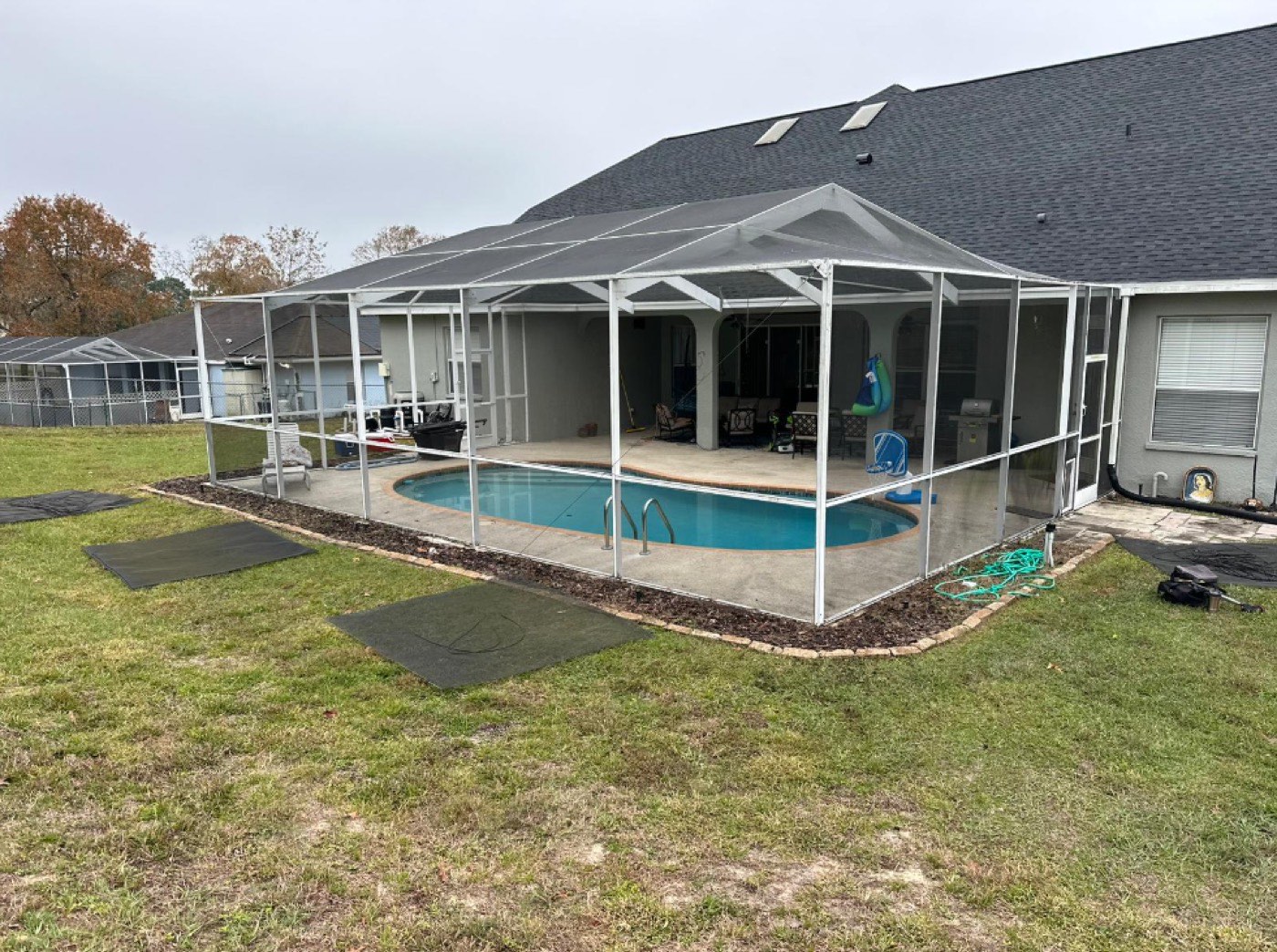
Undertaking rescreening a pool cage is a practical and transformative home upgrade that adds value to outdoor spaces while safeguarding against pesky insects. This improvement, however, prompts a crucial inquiry: Do I need a permit to rescreen a pool cage?
Before diving into the rescreening project, homeowners must navigate the intricate regulatory landscape governing construction and alterations. The necessity of a permit often hinges on local building codes and the scope of the planned modifications. While a straightforward rescreening—limited to replacing the mesh material—might be classified as maintenance, structural changes or alterations to the existing framework could trigger permit requirements.
Understanding these nuances is essential to ensure compliance with local regulations. By clarifying the need for a permit upfront, homeowners can streamline the planning process, avoiding potential legal complications and ensuring a smooth and hassle-free rescreening journey.
Understanding the Basics
Rescreening a pool cage may or may not require a permit in many areas, depending on the nature of the alterations and local building requirements. Permits are usually needed for projects involving structural modifications or revisions to the current structure. Simple rescreening, on the other hand, may be classified as maintenance as opposed to building because it only requires changing the mesh material.
Local Building Codes
Local building codes serve as the foundation for permit requirements. These codes vary widely, reflecting regional considerations such as climate, wind loads, and safety standards. Before initiating a pool cage rescreening project, homeowners should contact their local building department or check online resources to understand the specific regulations in their area.
Factors Influencing Permit Requirements
- Structural Changes: If the rescreening project involves structural changes, such as modifying the frame or altering the dimensions of the pool cage, a permit is likely required. Structural alterations are considered construction projects and fall within the jurisdiction of building codes.
- Wind Load Considerations: Areas prone to hurricanes or strong winds often have specific requirements regarding the design and construction of pool cages. Any alterations that impact the structure’s ability to withstand wind loads might necessitate a permit.
- Enclosure Type: Some jurisdictions differentiate between screen enclosures and solid enclosures. While rescreening a traditional screen enclosure might not trigger permit requirements, the same may not hold true for enclosures with solid roofs or walls.
Benefits of Obtaining a Permit
While navigating the permit process may seem cumbersome, securing the necessary approvals brings several advantages:
- Legal Compliance: Obtaining a permit ensures that the rescreening project complies with local building codes and regulations, preventing potential legal issues in the future.
- Safety Assurance: Permitted projects undergo scrutiny to meet safety standards, enhancing the overall structural integrity of the pool cage.
- Home Value: Having permitted improvements can positively impact the resale value of a home, assuring potential buyers that the modifications meet regulatory standards.
DIY vs. Professional Rescreening
Whether homeowners choose to tackle the rescreening project themselves or hire professionals, permit requirements remain applicable. DIY enthusiasts must adhere to the same regulations as contractors, emphasizing the importance of understanding local building codes before initiating any work.
Steps to Determine Permit Requirements
- Contact the Local Building Department: Reach out to the local building department to inquire about specific permit requirements for rescreening a pool cage in your area. They can provide information on the application process and associated fees.
- Detailed Project Plans: If the rescreening project involves structural changes, prepare detailed plans outlining the modifications. These plans will be crucial when applying for a permit.
- Consult a Professional: Seeking advice from a licensed contractor or structural engineer can provide valuable insights into whether the planned rescreening project requires a permit. Professionals often have experience navigating local building codes.
Conclusion
Rescreening a pool cage is a surefire way to breathe new life into outdoor spaces and enhance the overall aesthetics of a home. However, one must not overlook the critical aspect of understanding whether a permit is required for this transformative project. The intricacies of local building codes, the specific nature of the rescreening project, and considerations regarding structural changes all converge to determine permit requirements.
Proactive engagement with the permitting process is not merely a formality but a strategic move that ensures more than just legal compliance. By obtaining the necessary permits, homeowners contribute to the safety and longevity of their pool cage rescreening endeavor. The scrutiny involved in the permitting process helps guarantee that the project aligns with established standards, fostering structural integrity and adherence to safety protocols.
This thoughtful approach not only safeguards against potential legal repercussions but also reinforces the homeowner’s commitment to a well-executed and enduring pool cage enhancement, promoting a harmonious blend of aesthetics and functionality in their outdoor living spaces.